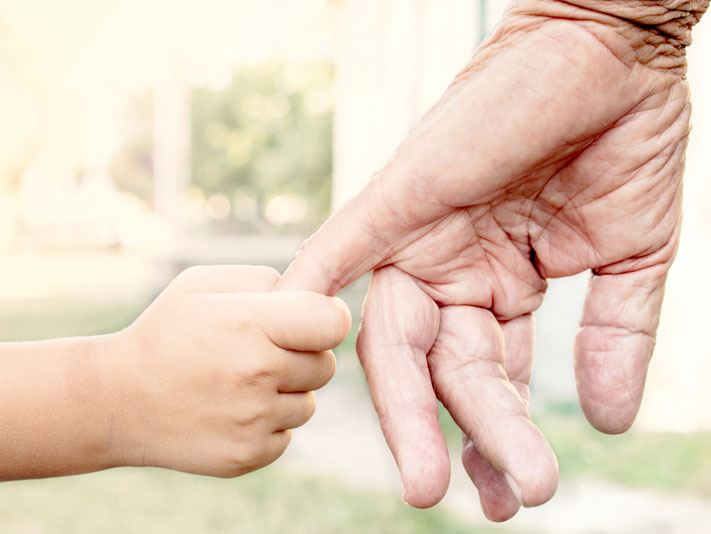
Contracture of the fingers, which is specifically known as Dupuytren’s contracture, is a deformity that progresses over many years. Dupuytren’s contracture occurs when tangles of tissue forms beneath the palm's skin to create a fibrous cord that forces the finger to bend unnaturally. The finger cannot straighten, which makes it difficult to perform certain activities like shaking hands or putting on gloves.
The first sign of Dupuytren’s contracture is the swelling of the skin on the palms of the hands. A tiny lump can form on the palm of puckered skin; this is visible yet not painful but responds to touch.
As time passes, the condition deteriorates even further, causing the fingers to lean in even more.
Other signs are:
It remains unclear what causes Dupuytren’s contracture as no injuries to the hand or vibrations are said to cause the condition. Age is likely a factor as people 50 and over is susceptible to Dupuytren’s contracture. Also, people who have diabetes are at risk.
Apart from these risk factors, Dupuytren’s contracture is genetically related and considered a hereditary condition
There are conservative and surgical options for bothersome and debilitating contractures. Needling is a minor surgical procedure to disintegrate thick cord-like tissue forcing the fingers to bend unnaturally. This is considered a better procedure for most people because it does not involve an incision but requires careful precision.
Major surgery involves removing all the thick tissue contributing to Dupuytren’s contracture, including adjacent tissue or skin. In most cases, a skin graft is required to seal the area entirely. Surgery obviously requires a longer time to recover and involves intense physical therapy. Even in the case of needling, Dr Freed will suggest and recommend a physiotherapist of the hand.
Rooms: Life Wilgeheuwel Hospital, Amplifier Street, Radiokop Ext 13, Roodepoort
Tel: (0)11 794 8629
E-mail: hands24wilg@gmail.com
The orthopaedic surgeon, Dr Neil M Freed, is fellowship-trained. This means that the doctor qualified first as a specialist in orthopaedic surgery and thereafter spent time at an academic institution doing just hand surgery to obtain his fellowship in that subspecialty. He has been practising hand surgery exclusively since 1992.